


Muda Paper Turns to Biomass to Boost Operational Resilience
Reducing dependence on fossil fuel–based steam generation has become a strategic business imperative for Muda Paper Mills, moving beyond its earlier role as a purely environmental initiative.
As one of Malaysia’s leading industrial paper producers, Muda Paper emphasised that steam plays a critical role in its manufacturing operations, making fuel use a significant contributor to its direct carbon emissions.
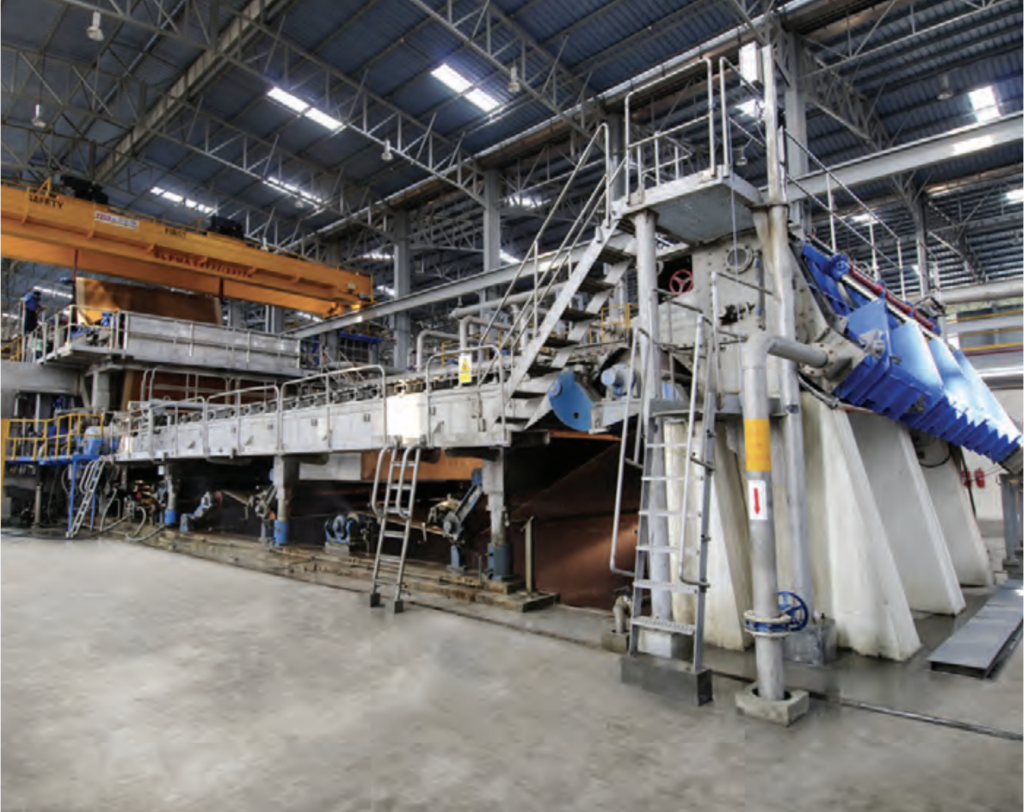
With regulations tightening and carbon pricing frameworks becoming clearer, continued reliance on fossil fuels poses growing risks to long-term operational stability. These challenges are further intensified by volatile fuel prices, stricter ESG scrutiny from international customers and increasingly rigorous global supply chain disclosure requirements. In response, the company evaluated a range of alternative energy options before selecting biomass-fired steam generation as a practical and effective solution.
“Malaysia’s abundant agricultural residues, particularly from the palm oil industry, offer a reliable local fuel source that can substantially cut emissions without compromising operational performance,” the company noted.
To implement the solution, Muda Paper partnered with Wasco Greenergy to design a biomass system tailored to its operational needs. Within the first year, the initiative delivered a reduction of more than 20 per cent in the company’s Scope 1 emissions. Encouraged by the system’s reliability and performance, Muda Paper later commissioned a second, higher-capacity biomass boiler at another of its facilities.
Beyond fuel switching, the company is also enhancing system monitoring and operational control. Improved performance tracking and data analytics are being deployed to enable predictive maintenance and drive efficiency gains.
Clean energy solutions can be cost-competitive when designed correctly, and the assumption that renewable technologies always increase operating costs is not necessarily true.
It added that customer expectations around emissions reporting, sustainability practices and supply chain transparency are evolving quickly, making early adoption a source of competitive advantage rather than an added burden.
Muda Paper stressed that successful biomass deployment depends on robust system design, consistent fuel quality and close collaboration with experienced partners to ensure long-term reliability and effective risk management.
Looking ahead, the company views biomass and other renewable energy technologies as practical pathways for reducing industrial emissions in Malaysia, particularly in sectors with high demand for steam and thermal energy.
As carbon intensity becomes a more critical factor in global supply chains, Muda Paper expects more manufacturers to pursue similar transitions in response to both regulatory pressures and commercial considerations.
