

Malaysia’s Paper Packaging Industry Accelerates Shift Towards Automation and Sustainable Manufacturing
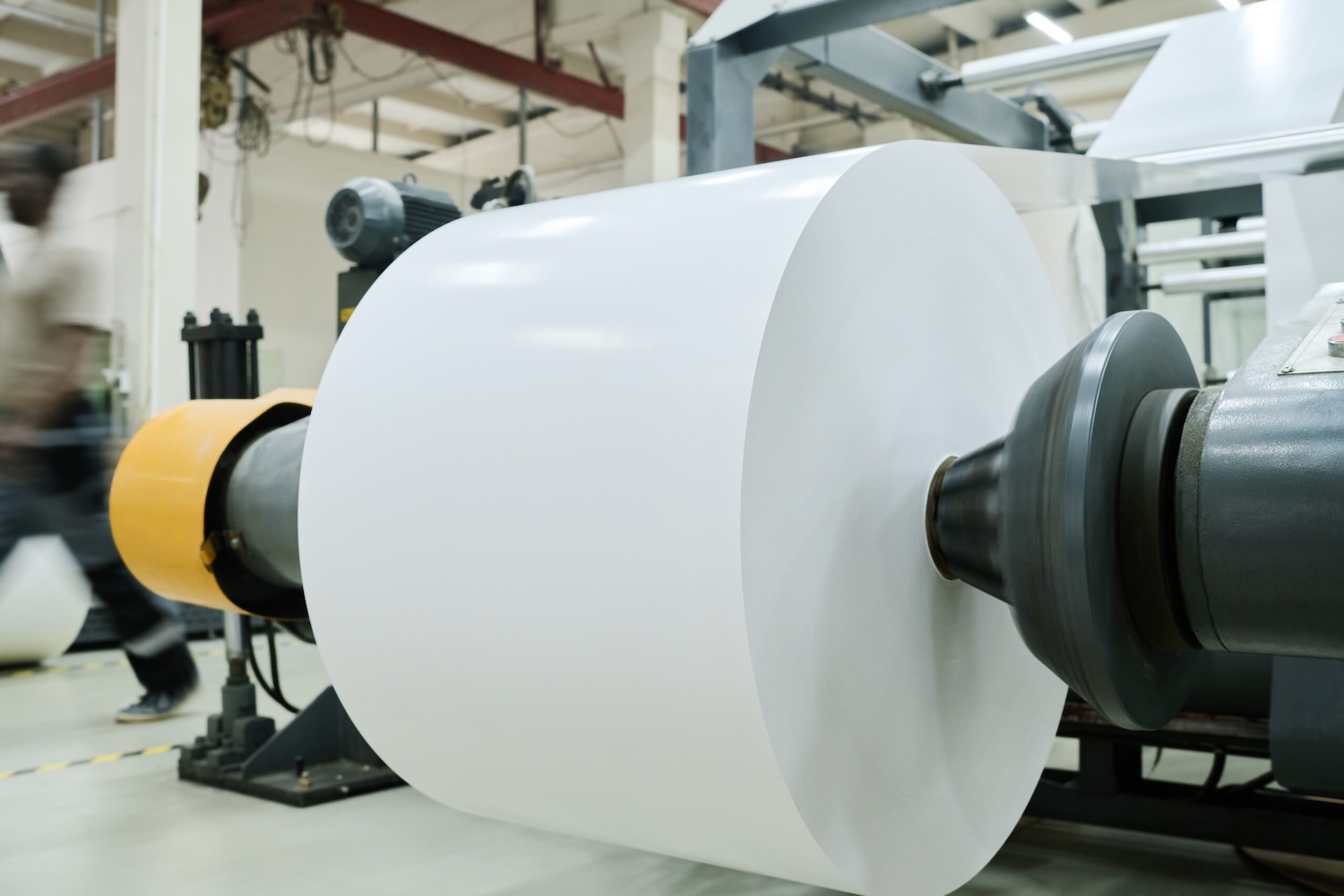
Malaysia’s paper packaging industry is entering a new phase of transformation, driven by rising customer expectations, sustainability requirements and the accelerating adoption of automation and Industry 4.0 technologies.
According to the Malaysian Investment Development Authority (MIDA), packaging manufacturers are increasingly moving beyond traditional, labour-intensive production towards higher-value solutions supported by automation, robotics, artificial intelligence (AI), Internet of Things (IoT) technologies, digital monitoring and advanced quality-control systems.
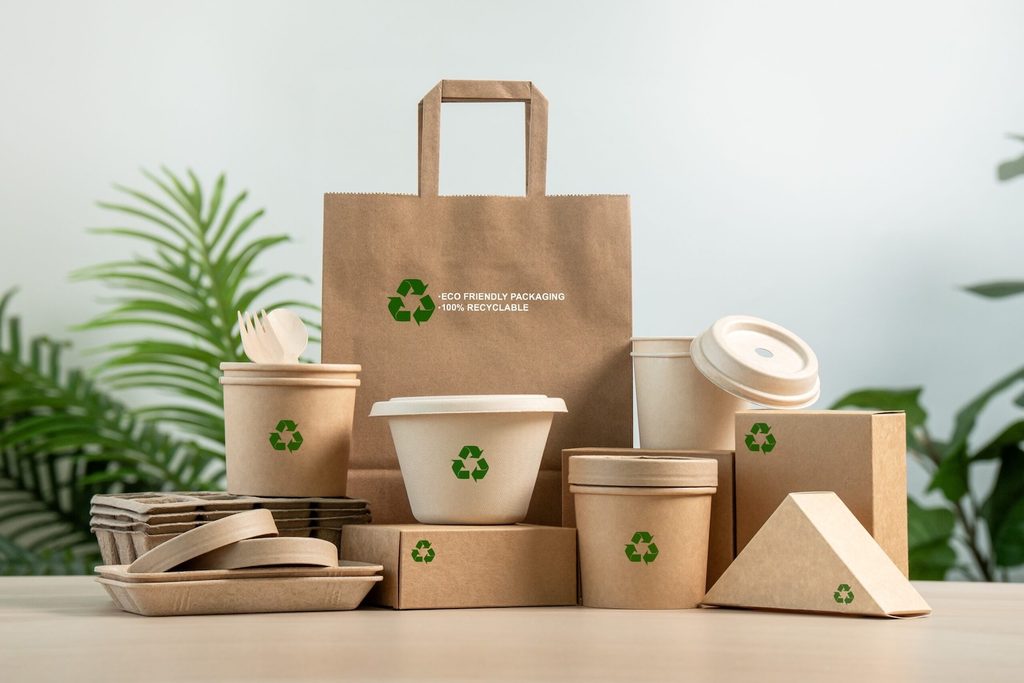
The shift reflects growing demand from multinational corporations and export-oriented industries for packaging that combines functionality, consistency and environmental responsibility. At the same time, manufacturers are responding to sustainability expectations by increasing their use of recycled materials, bio-based alternatives and lower-carbon packaging solutions.
MIDA highlighted that the transformation is taking place across the entire paper packaging value chain — from raw-material sourcing and manufacturing to downstream applications.
Upstream, manufacturers are placing greater emphasis on responsibly sourced and renewable fibres, recycled paper and alternative materials such as bamboo fibre and sugarcane bagasse. Certification and supply-chain traceability are also becoming increasingly important, with global customers placing greater emphasis on responsible sourcing and internationally recognised Forest Stewardship Council (FSC) and Programme for the Endorsement of Forest Certification (PEFC) standards.
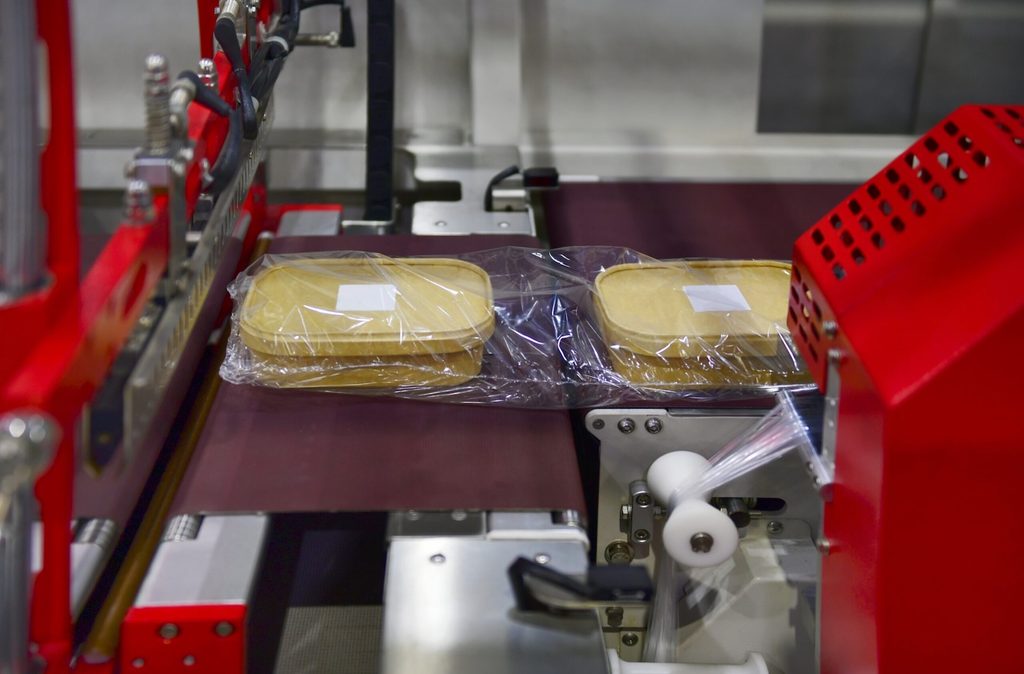
Within manufacturing, Malaysian converters are adopting Industry 4.0 technologies to improve productivity, product consistency and operational efficiency. AI-driven quality control, IoT sensors and automated production lines are helping manufacturers meet increasingly stringent specifications, particularly from multinational and export-oriented customers.
Downstream, the industry is also moving into higher-value applications. These include precision moulded fibre products and specialised corrugated packaging designed for modern logistics and e-commerce, while demand for recyclable and sustainably sourced packaging continues to grow.
Investment activity reflects this evolution. MIDA said that between 2020 and 2025, it approved 26 expansion and diversification projects in the paper packaging industry valued at RM911.4 million. Of this total, RM561.7 million comprised foreign investment, while RM349.7 million came from domestic investors.
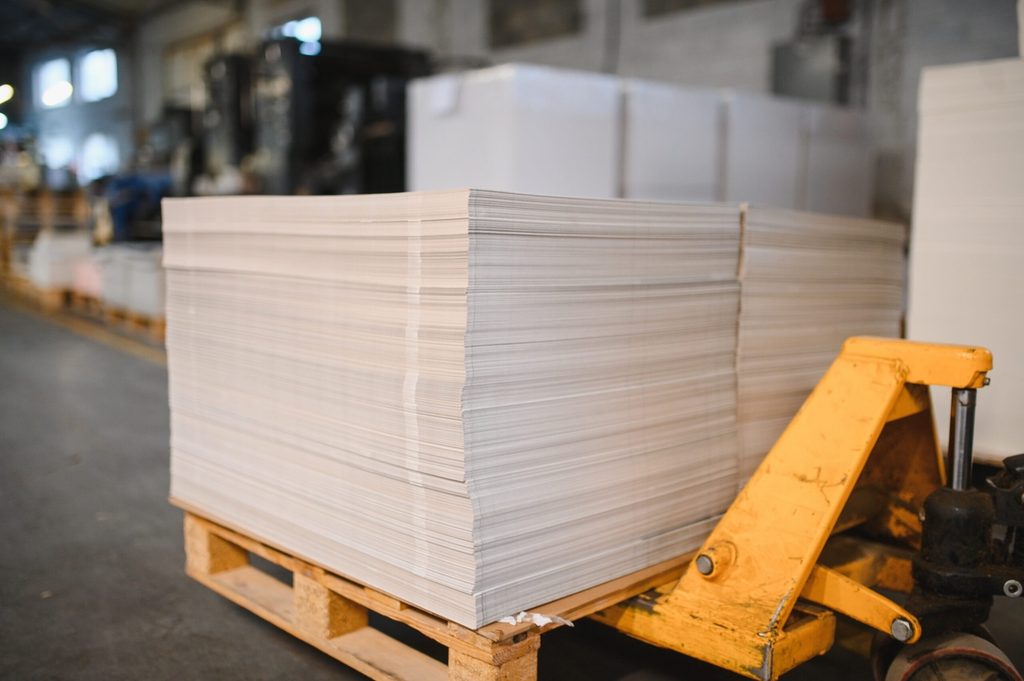
One example highlighted by MIDA is Malaysian packaging manufacturer Jishan Group, which has expanded from corrugated cartons into sustainable paper packaging and moulded fibre products made from bagasse. The company has also invested in automation, including Automated Storage and Retrieval Systems (ASRS), to improve warehouse capacity, inventory accuracy and operational efficiency.
Jishan’s development illustrates a broader trend among Malaysian packaging manufacturers: moving up the value chain by combining sustainable materials with smarter manufacturing and integrated packaging solutions. The company plans to continue investing in Industry 4.0 technologies while expanding its portfolio of recyclable and environmentally friendly packaging made from paper, bagasse and recycled materials.
Government support is also playing a role in encouraging this transition. MIDA noted that manufacturers investing in automation may benefit from the Automation Capital Allowance (Automation CA), which provides a 200% capital allowance on the first RM10 million of qualifying automation expenditure, including Industry 4.0 technologies. Companies undertaking capacity expansion and reinvestment may also qualify for incentives under the Reinvestment Allowance framework linked to NIMP 2030.
For Malaysia’s paper packaging sector, the direction is increasingly clear: competitiveness will depend not only on production capacity, but on the ability to combine automation, innovation, responsible sourcing and sustainable manufacturing.
As global supply chains place greater emphasis on efficiency, traceability and environmental performance, Malaysia’s paper packaging manufacturers are positioning themselves to capture opportunities in higher-value segments while supporting the evolving sustainability objectives of customers at home and across international markets.
