
Digital vs Paper Balance: Can the Paper Industry Survive the Digital Generation?
By: Noor Rashidah binti Omar, paperASIA
Today, walking into any cafés, you can see laptops or tablets on every table, handphones buzzing with incoming notifications and information flows instantly through each screen in there. Nevertheless, printed notebooks, newspapers and paperback novels are tucked in the bags and placed beside coffee cups quietly persevere. In an era dominated by digital technology, the presence of paper raises an important question: Can paper industry survive the digital generation or is it slowly becoming outdated?
The rise of digital media technology has undeniably reshaped how people read, learn, work and communicate in the current society. Emails replaced letters, e-books replaced printed novels and cloud storage has reduced the need for physical files. For many of us, paper seems to be seen as a medium associated with the past. Yet, the shift is not merely a straightforward move toward digital dominance.

A Historical Shift
For centuries, paper has become the medium of human communication. Books, newspapers, legal documents, academic texts and even office records all depend entirely on it. Publishing and education industries were built around paper for its storing and sharing knowledge to others.
However, the digital shift disrupted this long-standing dominance. The arrival of personal computers, followed by the internet, smartphones and tablets, transformed information utilisation among the users. Tasks that once required stacks of paper could suddenly be completed with a single device. News moved online, libraries have increasingly adopted digital formats and documents became files stored in cloud.
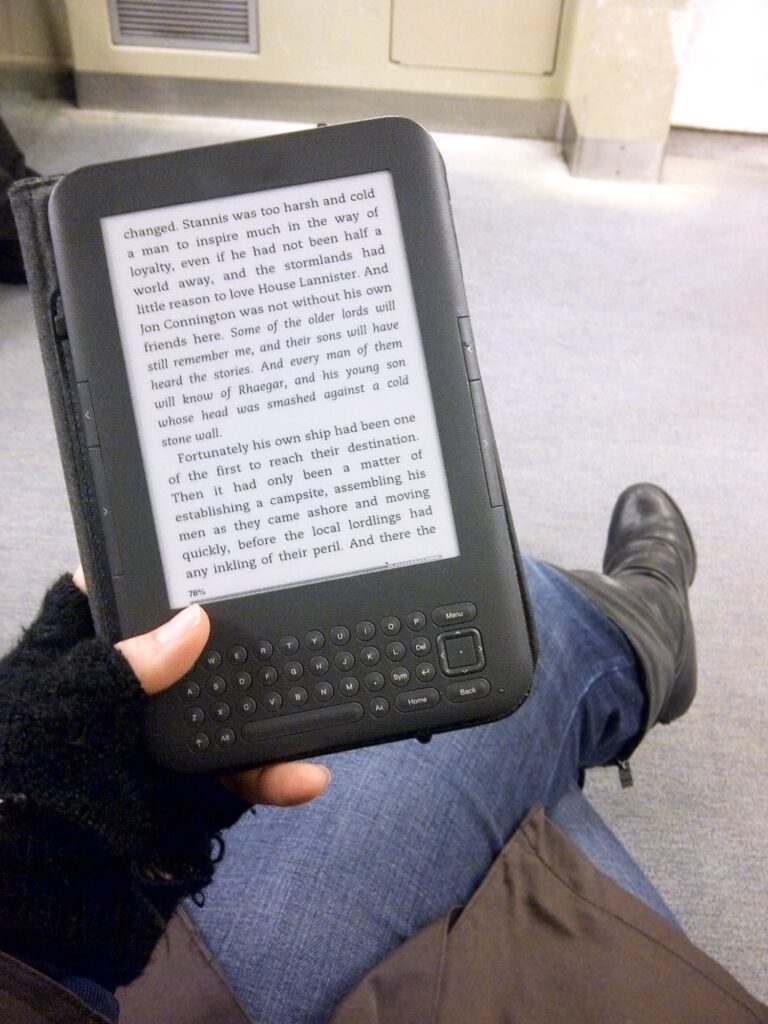
E-books, digital journals and note-taking applications grew rapidly, especially among the younger generation users who were raised in a screen-based surrounding. For the first time, paper was no longer an option but considered a choice.
Why Digitalisation Took Over So Quickly
The rapid growth of digital media did not happen without reason. Digital platforms offer several advantages that align with the modern lifestyles, accessibility and convenience. Digital content is available instantly, often at little or no cost at all. It can be accessed anywhere with accessible of an internet connection. A student no longer needs to carry multiple textbooks to class; a professional can retrieve documents within seconds at their fingertips.
Portability and storage further strengthened digital appeal. Thousands of paperback books, reports and files can be stored on a single device, eliminating the need for physical space. In crowded cities, especially urban settings, where space is scarce, this convenience becomes appealing for the society.
Looking from economic perspective, cost and efficiency play a major role. Digital distribution removes printing, transportation, and storage expenses. Content can be updated in real time without having to reprint it, making digital media more flexible and responsive. There is also a widespread perception that digital solutions are environmentally friendly, based on the idea that reduced paper use leads to fewer trees being cut down. This belief has encouraged educational institutions like schools or universities and offices to adopt paperless policies.
Why Print Still Holds Power
Even with these advantages, paper print still has not disappeared. In fact, its continued presence suggests that it offers qualities digital media struggles to duplicate. One of paper’s most cited strengths is the physical experience it gives. The physical act of turning the pages, annotating margins, or holding a book creates a sense of engagement that screens do not provide. For many readers, paper feels more natural and less distracting. From a cognitive perspective, research has suggested that reading on paper helps with better comprehension and memory retention, especially for longer or more complex texts. It maintains focus and able to understand the content more deeply.
Paper is considered reliable since it does not depend on batteries, software updates, or internet access. In legal, archival and administrative contexts, paper documents are often perceived as more lasting and trustworthy. Beyond its practicality, paper carries emotional value. Books become keepsakes, handwritten notes feel personal and printed photographs preserve memories in ways that digital files often fail to replicate. These emotional connections contribute to paper’s resilience.
Digital vs Paper in Daily Life
One of the most aspects of digital vs paper debate is the concerns of environmental impact. Digital media is portrayed as the greener option; however, it is more complex in the real world. Electronic devices require high energy consumption in manufacturing, and significantly environmental costs are associated with electronic waste. At the same time, devices also have limited lifespans, resulting in frequent replacement.
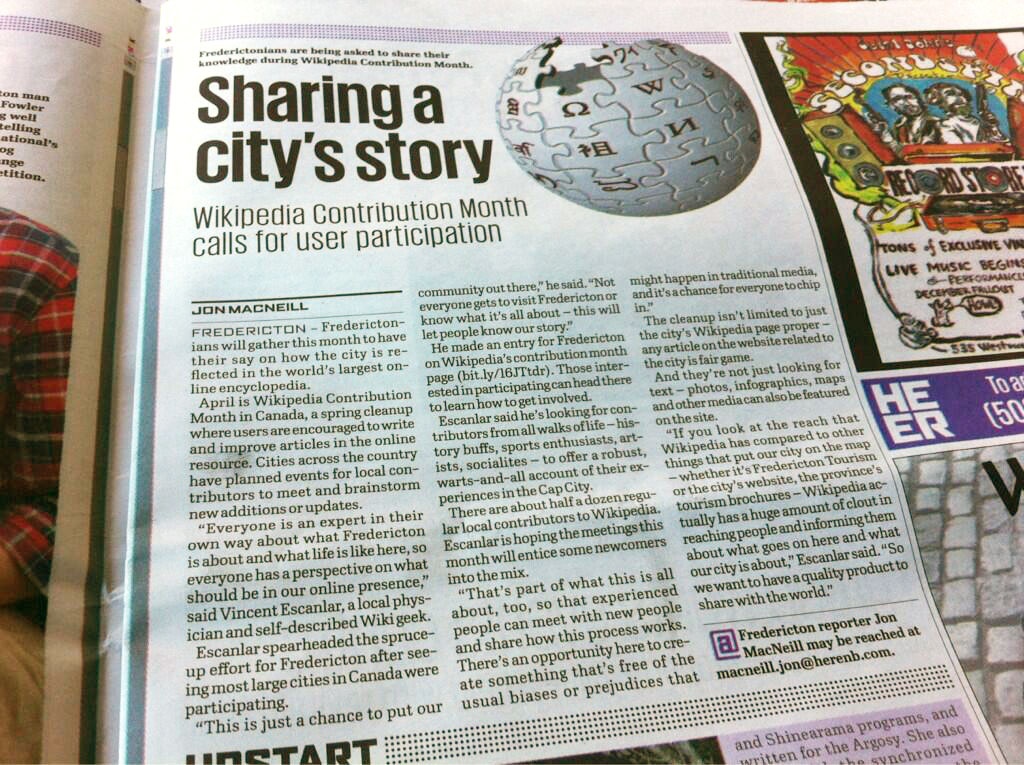
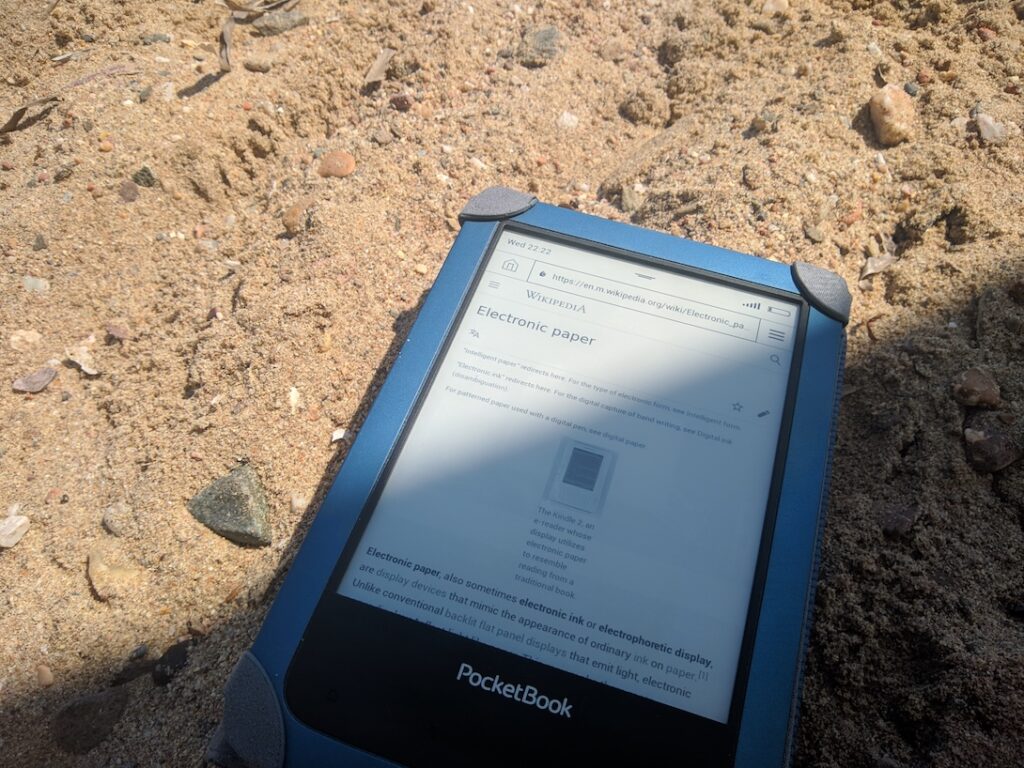
Traditional newspaper vs digital e-book (Photos: Wikipedia)
On the other hand, paper is not inherently unsustainable. Paper can be renewable and environmentally viable, when sourced from responsibly managed forests and supported by recycling systems. With certification systems from sustainable forestry helped reduce the ecological footprint of paper production.
Therefore, the main issue is not whether digital or paper is “better” for the environment, but how each medium is produced, used and disposed of responsibly. In the market trends, however, the story unfolds less as a replacement but more as a pattern of decline, persistence and growth.
Market Trends: Decline, Persistence and Growth
The market patterns can be seen as a mixed picture than a clear picture of decline. Digitalisation continues to grow in areas such as online news, e-books and educational platforms. Many schools and universities integrate tablets and digital textbooks into their curriculum. Nonetheless, paper demand persists in specific sectors as packaging becomes the fastest growing area with the rise of e-commerce. Paperboard, cartoons and shipping materials have become an essential to the digital economy itself.
Whereas, printed textbooks remain widely available in many regions where digital access is unbalanced. Industries from publishing, art and design continue to rely more on paper for their quality and authenticity. We call this trend that paper is not disappearing, but it is shifting.
Challenges Facing the Paper Industry
Despite its resilience, paper industry does face undeniable challenges along the way. Free or low-cost digital content weakened the traditional revenue for magazines and newspapers. This is due to the changes in consumer habits, especially among digital users who are more comfortable with screens rather than printed materials. Not only that, transportation and production costs have also increased, putting additional pressure on traditional paper businesses. However, these challenges do not necessarily imply extinction but signal for adaptation with paper industry.
How the Paper Industry is Adapting
Paper industry has diversified its focus. Currently, packaging materials, specialty papers and hygiene products such as tissues and paper towels represent significant growth.
With the increase of investments in recycling infrastructure and certified forestry practices, sustainability has become the central to industry strategy. With the growth of digital demands, many companies are integrating digital elements into their print such as having QR codes and interactive designs that bridge physical and digital experiences. This shift adaptations reflect from volume-based production to value based innovation.
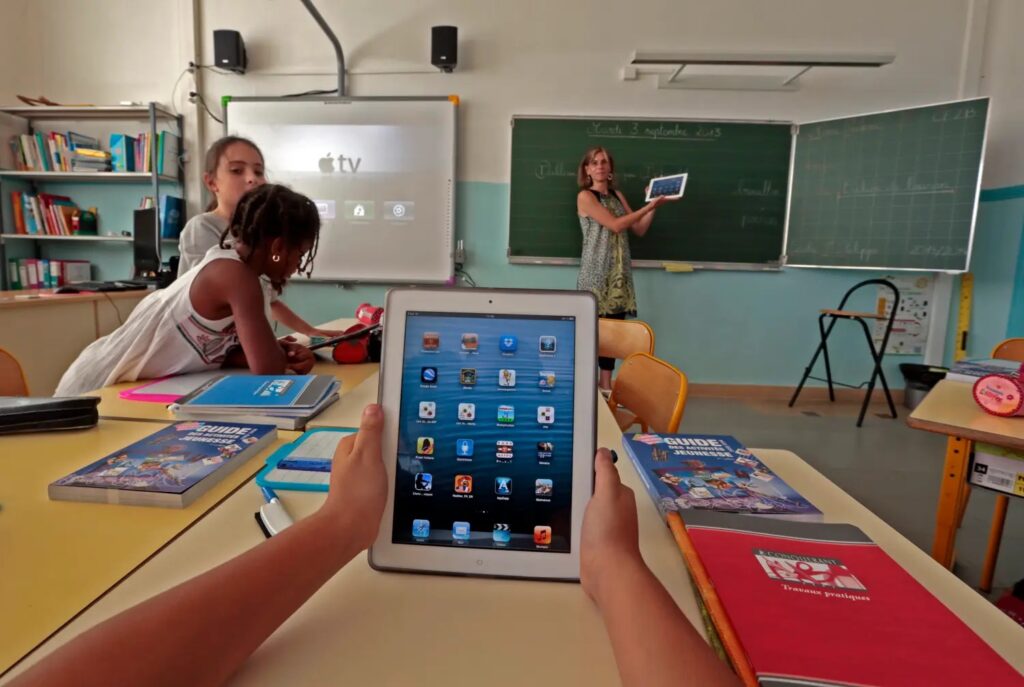
Can Traditional Paper Industry Survive in the Modern World?
Evidence shows that certain traditional paper content such as legal documents, archival materials, art and long form reading cannot be translated seamlessly into digital formats. Emotional, cognitive and functional preferences continue to support paper use. With the emerging markets, paper demand is continuously growing due to the education and infrastructure development. Regardless of digital trends, packaging and hygiene products remain essential today. Therefore, the future of paper industry lies not in the changes of digitalisation, but in redefining its role alongside it.
The rise of the digitalisation era has reshaped how information is consumed. Instead, it has pushed the paper industry to adapt to reinvention and a clearer understanding of where paper still matters. The more pressing issue is how paper will continue to exist alongside digital platforms. Screens and pages serve different purposes, and their value increasingly depends on context, function and individual choice.
Looking across the Asian countries, the rapidly expansion of digital economy has transformed how content is produced, nevertheless it has not displaced paper industry from the region’s economic and cultural landscape. Instead, it has pushed the paper industry into a period of adjustment where one is marked by greater efficiency and sharper focus on sustainability.
It is no longer about survival but the alignment that we are facing in the industry now. Digital platforms and paper industry now serve as a distinction, complementary roles shaped by use, accessibility and consumer behaviour across diverse Asian markets. From education and packaging to publishing and logistics, demand is increasingly functioning rather than format.
The future of paper in Asia will depend on responsible forestry, lower-carbon manufacturing and informed consumption coexisting with digital solutions in ways that support both economic growth and long-term sustainability.