

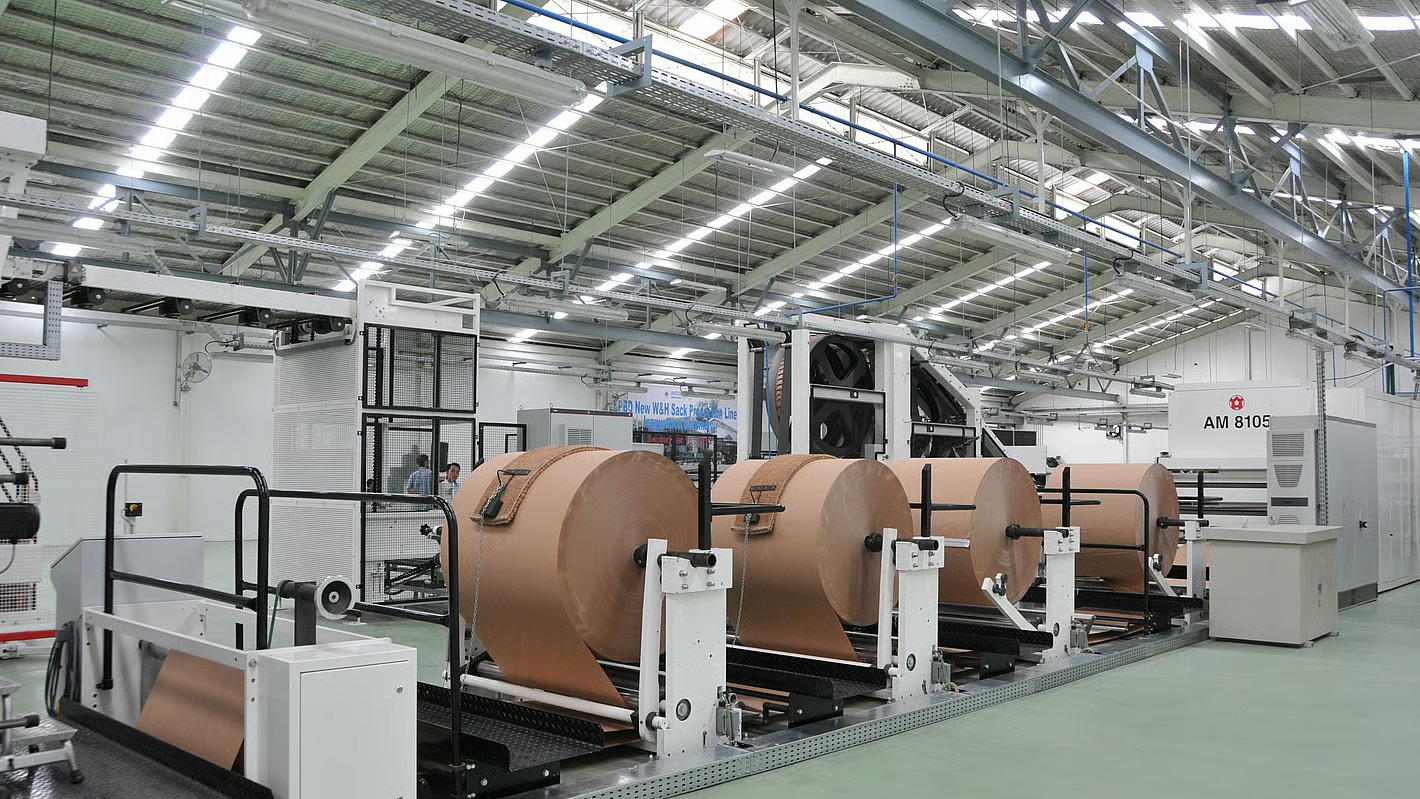
Scaling the Fibre Frontier: Capacity Expansions Redefine Asia’s Paper Giants
By: Nooraishah Omar, paperASIA
Across Asia, the pulp and paper industry is entering a new era of scale, integration and technological transformation. This latest wave of capacity expansion is not only being driven by producers, but also enabled by leading technology providers such as Valmet and ANDRITZ, whose advanced fibre processing, automation and recovery solutions are underpinning next-generation mill developments. Together with major producers including Nine Dragons Paper and Asia Pulp & Paper (APP), the region is witnessing a structural shift toward larger, smarter and more integrated production platforms.
From Scale to Integration: The New Growth Model
The defining feature of current capacity expansions is a decisive move toward vertical integration. Producers are investing upstream in pulp production while expanding downstream into packaging and specialty grades—creating fully integrated fibre platforms.
Nine Dragons Paper, long dominant in recycled containerboard, is accelerating investments in virgin pulp capacity to secure fibre supply and reduce exposure to volatile recovered paper markets. Its new integrated pulp and paper complexes—often supported by global technology suppliers—highlight a strategic shift toward self-sufficiency and operational control.
Similarly, APP continues to scale its integrated model across Indonesia and China, expanding both pulp production and downstream packaging capacity. Through its subsidiaries, the group is also strengthening recycled fibre processing, enabling more efficient conversion of wastepaper into high-demand packaging grades.
ASEAN as the Next Growth Engine
While China remains central, Southeast Asia is rapidly emerging as the industry’s next growth frontier. Indonesia and Vietnam, in particular, are attracting major investments due to their proximity to fibre resources and expanding packaging demand.
Asia Pacific Resources International Holdings (APRIL) has played a pivotal role in anchoring Indonesia’s position as a global pulp powerhouse, with its Riau complex ranking among the largest in the world. At the same time, Nine Dragons is extending its footprint into Vietnam and Malaysia, aligning production closer to high-growth ASEAN markets.
This geographic diversification reflects a broader shift: Asia’s production base is becoming more regionally distributed and supply-chain resilient.
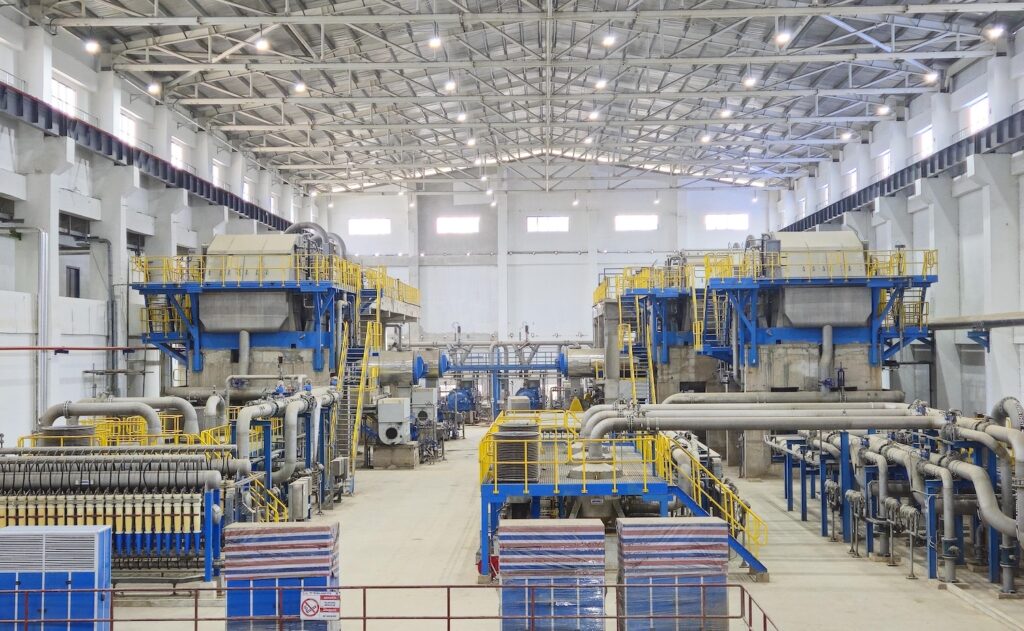
Packaging and Specialty Grades Take Centre Stage
Across all major players, expansion is heavily skewed toward packaging and specialty papers. Demand for containerboard, boxboard and kraft-based alternatives continues to surge, driven by e-commerce, food delivery and regulatory pressure to reduce plastic use.
APP is advancing specialty paper capacity—particularly for food-grade and flexible packaging applications—while maintaining strong output in traditional paper grades. Meanwhile, Stora Enso is reinforcing its presence in Asia through renewable packaging materials and biomaterials, reflecting a global pivot toward sustainable fibre-based solutions.
Technology as the Enabler of Expansion
Behind every major capacity addition is a network of global technology providers enabling efficiency, scale and sustainability. Companies such as Valmet and ANDRITZ are playing a critical role in Asia’s expansion wave.
Their contributions include:
- High-capacity fibrelines and pulp processing systems
- Advanced recycled fibre (OCC) processing technologies
- Recovery boilers and energy systems
- Digital automation and performance optimisation tools
These solutions are enabling mills to operate at unprecedented scale while improving resource efficiency, reducing emissions and supporting circular production models.
The Rise of the Integrated Mega-Site
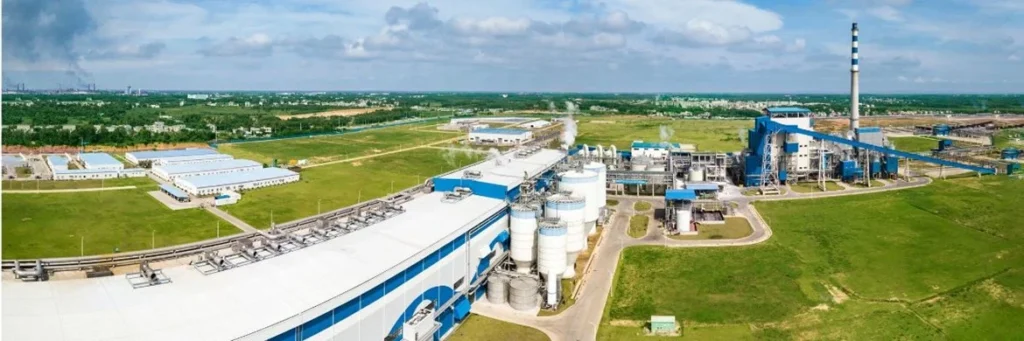
Modern pulp and paper investments in Asia are increasingly centred on integrated mega-sites, where pulp production, paper machines, energy systems and logistics are co-located.
APP’s flagship complexes and APRIL’s Riau operations exemplify this model, combining plantation fibre, pulp production and downstream converting within a single ecosystem. Nine Dragons is replicating this approach across its Chinese bases, linking pulp mills directly with packaging lines.
The result is:
- Greater cost efficiency
- Reduced fibre risk
- Improved environmental performance

Balancing Growth with Sustainability Pressures
Despite the scale of expansion, the industry faces mounting scrutiny over environmental performance. Issues such as deforestation, carbon emissions and water use remain central to stakeholder expectations.
In response, companies are integrating:
- Advanced fibre recovery systems
- Closed-loop water management
- Bio-based product innovation
Technology providers are also embedding sustainability into mill design, from energy-efficient recovery systems to digital tools that optimise energy and water consumption.
A Region Transformed
Asia’s pulp and paper sector is no longer just expanding—it is restructuring itself into a highly integrated, technology-driven and globally dominant production base.
With Nine Dragons Paper driving upstream integration, Asia Pulp & Paper scaling mega-complexes, APRIL anchoring fibre supply, and Stora Enso reinforcing high-value packaging—supported by enabling technologies from Valmet and ANDRITZ—the region is consolidating its role at the centre of the global fibre economy.
What emerges is a new industrial paradigm: one where capacity, technology and sustainability converge to shape the future of pulp and paper manufacturing in Asia.
